

In the world of food production, few processes are as critical as packaging. For the milling industry, the flour packing machine stands as a cornerstone of operational success. Moving beyond traditional manual labor, these automated systems are engineered to handle a delicate, dusty, and precisely measured product with remarkable speed, hygiene, and consistency. This article explores the key aspects, types, and benefits of modern flour packing machines.
What is a Flour Packing Machine?
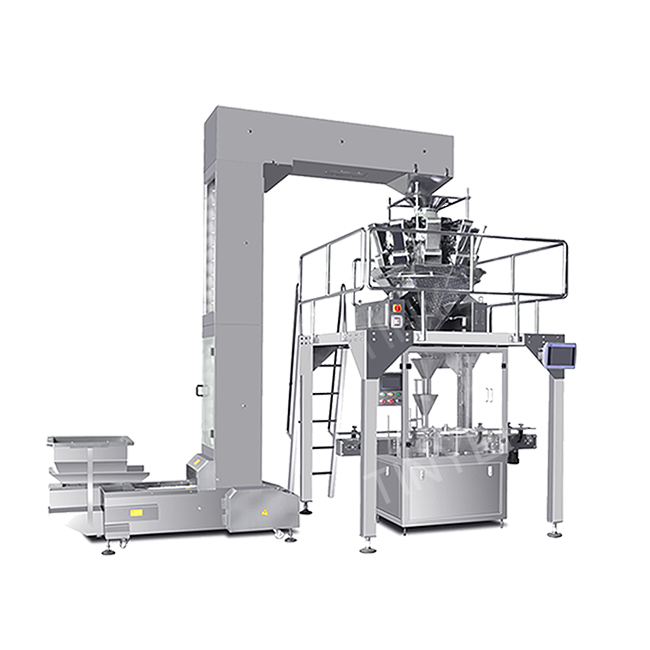
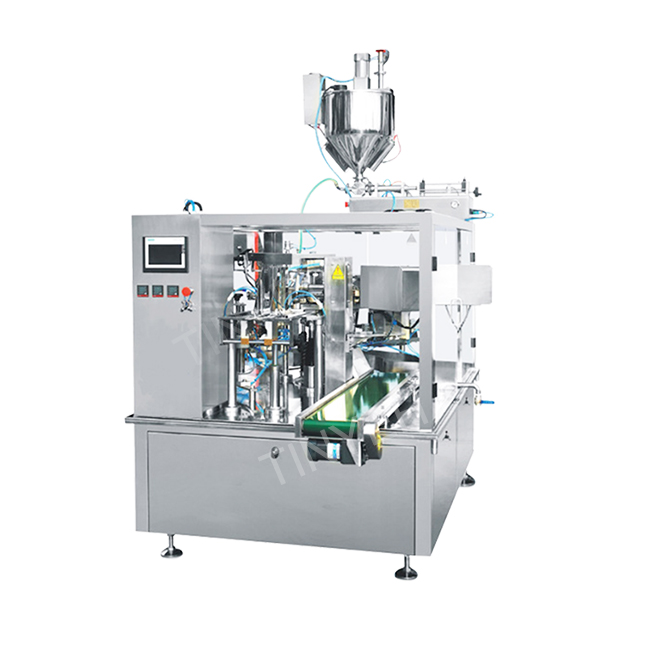
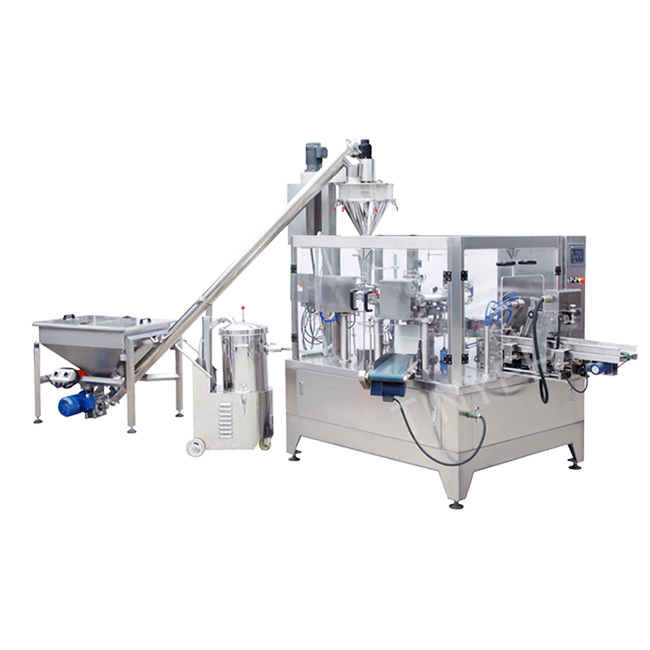
A flour packing machine is an automated or semi-automated system designed to dispense a predetermined weight of flour into bags or other containers and then seal them. These machines are integral to the production line, bridging the gap between bulk flour storage (like silos) and the final, market-ready packaged product.
Key Components and Working Principle
While designs vary, a typical flour packing machine consists of several core components:
-
Feeding System: A screw feeder or impeller feeder that draws flour from the hopper. The screw feeder is highly accurate for fine, powdery flour, while the impeller feeder is faster, using centrifugal force.
-
Weighing System: The heart of the machine. Modern packers use highly sensitive load cells for precise gravimetric (by weight) measurement, ensuring each bag meets the exact net weight requirement.
-
Bag Holding & Sealing Mechanism: An automatic arm or a manual station where the open-mouth bag is placed. This is followed by a heat sealer or sewing head to securely close the bag, preventing contamination and spillage.
-
Dust Removal System: A crucial feature for hygiene and operator safety. Built-in suction points capture airborne flour dust, maintaining a clean working environment and preventing cross-contamination.
-
Control Panel: A user-friendly PLC (Programmable Logic Controller) and HMI (Human-Machine Interface) touchscreen allow operators to set parameters like bag weight, speed, and number of cycles.
The working principle is a cycle of Feed, Weigh, and Discharge. The feeder fills the weighing hopper, the load cell signals when the target weight is reached, the feeding stops, and the flour is discharged into the waiting bag, which is then sealed.
Types of Flour Packing Machines
Flour packers can be categorized based on their level of automation and the type of bag used.
-
By Automation Level:
-
Semi-Automatic: Requires an operator to manually place the empty bag on the spout. The machine then automatically fills and seals it. Ideal for small to medium-scale businesses with lower production volumes.
-
Fully Automatic: Integrated into a complete production line. These systems automatically pick, open, fill, seal, and palletize bags without manual intervention. They are designed for high-volume milling operations requiring maximum throughput.
-
-
By Bag Type:
-
Open-Mouth Bag Packers: The most common type for standard 1kg, 5kg, 10kg, 25kg, and 50kg bags. The bag is placed on a spout, filled from the bottom to reduce dust, and then sewn or heat-sealed shut.
-
Valve Bag Packers: Used for pre-made bags with a built-in paper or plastic valve. The machine's spout inserts into the valve, and the flour is forced in by air pressure or gravity. The bag is then released, and the valve naturally seals itself. This method is very fast and dust-free.
-
The Multifaceted Benefits of Automation
Investing in a flour packing machine delivers significant returns across the entire operation:
-
Unmatched Accuracy: Eliminates weight giveaway (overfilling) and protects against underfilling, which can lead to regulatory non-compliance. This precision translates directly into cost savings.
-
Increased Efficiency & Speed: Automated machines can pack hundreds of bags per hour, far surpassing manual capabilities and significantly boosting production capacity.
-
Enhanced Hygiene & Safety: Enclosed systems and integrated dust extraction minimize product exposure to the environment and reduce the risk of dust explosions, while also protecting operator health.
-
Reduced Labor Costs: Automation minimizes the need for manual packers, allowing staff to be reassigned to more value-added tasks like quality control and machine supervision.
-
Consistency and Brand Reputation: Every bag has a professional, uniform, and secure seal, enhancing the brand's image on the shelf and ensuring product integrity during transport.
Choosing the Right Machine
Selecting the appropriate flour packing machine depends on several factors:
-
Production Volume: Determine your required bags-per-hour output.
-
Bag Size and Type: The range of weights and bag materials (woven PP, paper, plastic) you use.
-
Available Space: Fully automatic lines require more floor space than semi-automatic units.
-
Budget: Consider the total cost of ownership, including maintenance, energy consumption, and potential for future expansion.